

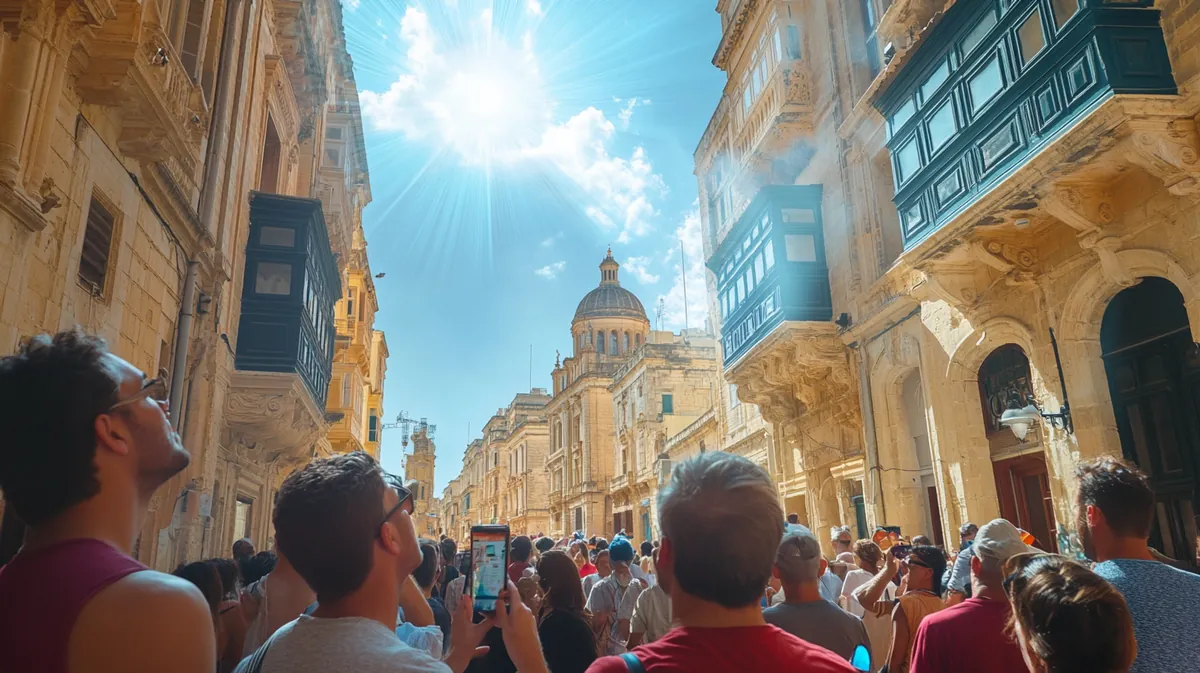
VALLETTA — On Sunday evening, after what witnesses described as “one big distracted clickfest,” nearly the entire population of Malta selected “Accept All” on a single consent popup that inexplicably appeared on every website, TV stream and the electronic road signs on the way to Mdina.
Targeted, personal, very Maltese
Within hours, people started receiving perfectly timed, deeply personal advertisements. Marija from Birkirkara got a sponsored post for “discreet pastizzi sleeves” two minutes after she searched “how to hide pastizzi crumbs in your shirt.” Tumas in Zebbug received a pop-up offering advanced parking sensors right after he muttered “not again” at a man taking up two spots in Sliema.
The new ad algorithm—developed by an alliance of local advertisers, a GBC snippet, and something that looked suspiciously like a jar of pastizzi grease—uses dataLayer-style tracking to turn thoughts into marketable opportunities. “It suggested a de-stressing seminar right after I said ‘uwejja’ out loud,” said Carmen, who insists she never typed anything into a search bar. “I clicked ‘maybe’ and now my neighbour won’t stop recommending mindfulness candles."
"I didn’t mean to accept that one. I was saving space on my phone. Now my phone keeps reminding me I still owe Pawlu €5 from 2013.”
Authorities were quick to respond with a short, solemn statement that read exactly like a cookie policy: “We value your privacy and will continue to collect, analyze and monetize it for the betterment of targeted offers and national synergy.” When asked whether the state planned to introduce a national opt-out, a spokesperson shrugged and said, “There’s a dropdown menu for that somewhere, iva.”
Local tech experts have mixed feelings. Some are excited about the potential to sell very specific products—“socks with secure pockets for late-night pastizzi runs,” one startup CEO pitched—while others worry about the sheer emotional accuracy of the ads. “Yesterday my laptop suggested a ‘reconciliation bouquet’ three times in an hour,” said Marija. “I don’t even know who to forgive.”
At press time, the cookie popup was still blocking the livestream of parliament, politely asking if viewers would like to “allow personalised political suggestions.”