

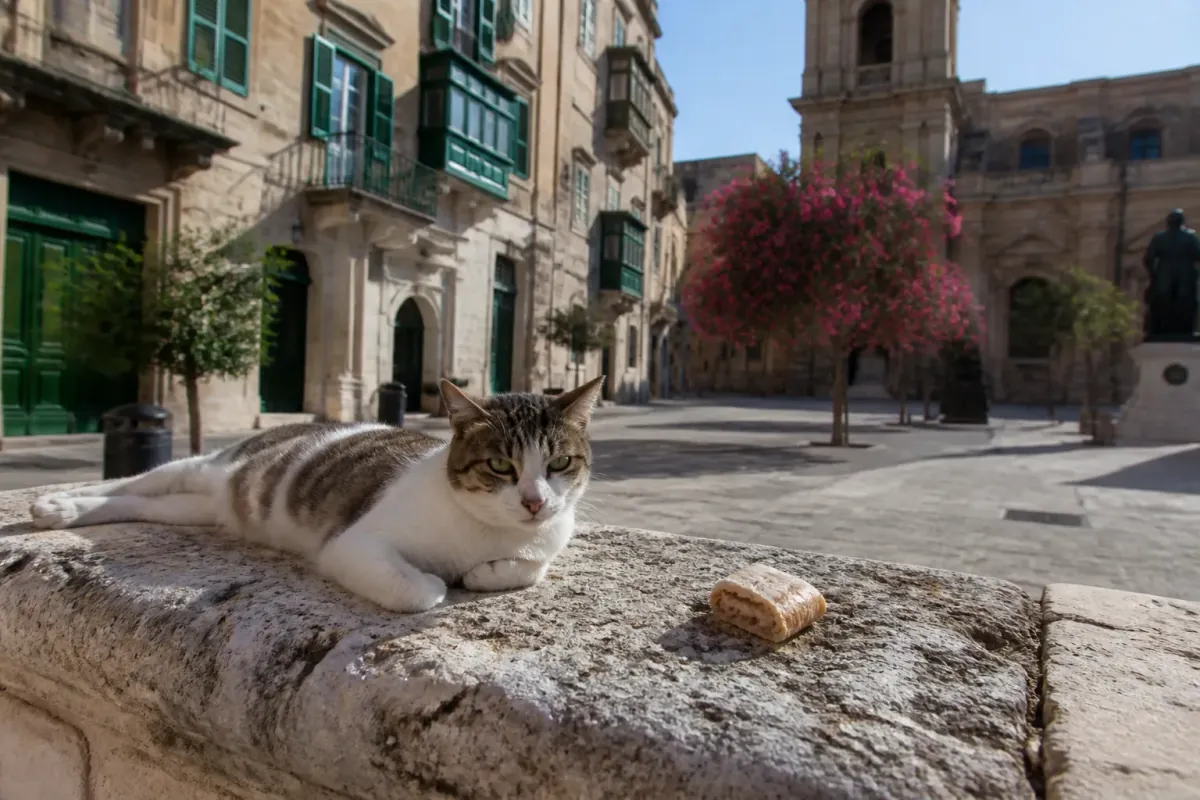
VALLETTA — The Maltese government has officially designated the traditional qassata pastry as a bona fide national currency following an intense national debate that gripped the country for weeks. In a historic announcement, parliamentary speakers confirmed that the value of the pastry would henceforth fluctuate based on the number of stray cats seen contemplating a plate of it.
From Pastizzi to Qassata: A Delicious Transition
This radical economic shift comes as no surprise to those who have long advocated for the culinary delights of Malta to take precedence over conventional financial instruments. “For too long, we’ve relied on euros, which are just pieces of paper in the end. But a qassata is both delicious and can provide nourishment in dire times, not to mention its potential to reduce stray cat populations through culinary diplomacy,” said Minister of Culinary Affairs, Salvu Pizzastah.
The government has stated that the exchange rate for the qassata will be updated daily based on a census of the local stray cat population. For instance, if five cats are observed glaring at a qassata outside a bakery in Sliema, the value of each piece will increase accordingly. Meanwhile, if the cats decide to ignore the pastry altogether, the qassata will lose value, plummeting it back to the price of a single piżottu.
”At this point, I wouldn’t mind paying my rent in qassata. At least I’ll be happy while I’m broke!”
Confusion Reigns in Banks and Bakeries
In the wake of this announcement, both banks and bakeries are bracing for chaos. Local bakeries such as Mela’s Delight and Sweets from Heaven are installing new signboards to display the fluctuating value of qassata in real-time, while most banks are simply asking their clients to bring in any leftover pastries they might have.
Not everyone is thrilled about this change, of course. Miscommunication has caused several awkward situations, especially at the Gozo ferry terminal, where tourists are now attempting to exchange brownies for ferry tickets. The national currency shift has confused foreigners farther, leading to reports of them trying to pay for ħobż biż-żejt with a handful of chips. Accusations of fraud are rife, with one unfortunate tourist arrested for attempting to bribe a parking warden with a half-eaten qassata.
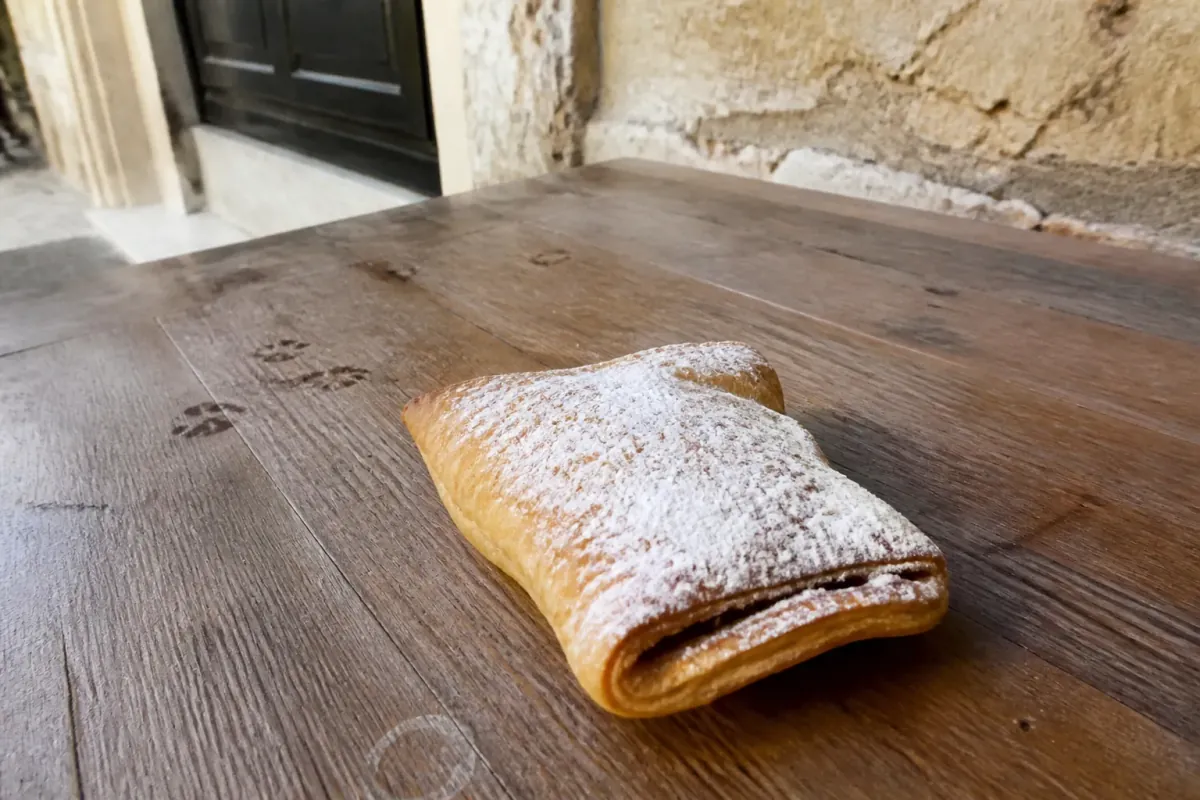
A New Era of Monetary Policy
Meanwhile, the Planning Authority has stepped in to deal with the inevitable construction of qassata-related businesses. New laws are being drafted to ensure that no more than three qassata shops can be erected on a single street, fearing that the qassata market might oversaturate itself — much like the pastizzi craze from a decade ago. Ironically, some of these businesses are claiming they are just ‘tax-free pastries’ to avoid the new regulations on qassata shops.
Local economist Paul Pasa presents both a skeptical yet fervently optimistic view. “This could either lead to the resurrection of our economy or result in cat fights breaking out at bakeries across Malta. Either way, make sure you’ve got some pastizzi hidden to trade if things go south!"
"If we can now afford to pay our taxes in qassata, I’m ready to join every cat in Valletta!”
Cats and Qassati: A Culinary Conundrum
Critics worry the valuation process of the qassata could lead to market volatility like never before. What if all stray cats decide to start a fast, thus tanking the nation’s economy? However, supporters argue it will connect the populace to a deeper cultural bond with our furry friends.
While some citizens have already taken to casually tossing qassata to cats in the streets to boost their own wealth, others are pondering the long-term implications of trading pastries as currency. One thing is for sure: this could be the best or worst idea Malta has ever attempted — just like the time we built a replica of the Gozo ferry in Valetta.
At press time, the government had determined that kittens will be added to the exchange rate with the cats, but only if they are well-groomed and over the age of six months.